The initial experience of ordering THCA products online can be overwhelming for first-time buyers due to the complex terminology, varying product types, and reliance on scientific data. Navigating this landscape requires more than just browsing; it demands a dedicated effort to understand the core chemical and legal distinctions that separate THCA from other cannabis products. New users who approach the market without this foundational knowledge risk confusion, disappointment, or purchasing a product that doesn’t align with their expectations.
The primary learning curve revolves around the concept of decarboxylation—the process by which the raw, non-intoxicating THCA converts into psychoactive Delta-9 THC upon heating. Understanding this process is key to selecting the correct product and using it effectively.
To ensure a positive, safe, and effective first purchase, new customers must prioritize education and verification. Knowing the fundamental concepts is the only way to confidently buy THCA online. This involves understanding how THCA differs from other cannabinoids, as well as how products are sourced and tested. A clear grasp of these basics helps reduce risk and supports more informed decision-making.
How Product Categories Differ
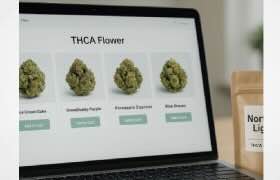
First-time buyers must recognize the significant differences between the primary THCA product categories, as the consumption method dictates the final effect. THCA flower is raw, dried cannabis that is primarily consumed by smoking or vaping, methods that utilize heat to convert the THCA.
In contrast, THCA concentrates (like diamonds or wax) are highly refined extracts that offer extremely high purity and potency, suitable for dabbing or adding to flower. Edibles containing THCA are typically infused with already decarboxylated (converted) THC oil, or they are labeled as raw THCA, meaning they offer no psychoactive effect unless heated.
The purchasing decision must be based on the desired outcome: inhalation for a rapid, strong effect versus edible consumption for a longer, more gradual experience. Confusing these categories often leads to unintended results or disappointment.
How to Interpret Potency and Lab Data
For THCA products, interpreting the Certificate of Analysis (COA) is essential, especially when determining potency. Unlike traditional THC products, the key metric is the THCA percentage, not the Delta-9 THC percentage. The Delta-9 THC must remain federally compliant (below 0.3%).
First-time buyers should focus on the “Total Potential THC” calculation, which estimates the maximum potency after the flower or concentrate has been fully heated. This number provides the most accurate expectation of the psychoactive effects. Furthermore, the COA must be scrutinized for contaminants like pesticides and heavy metals, confirming the product’s safety profile.
A product with a high THCA percentage (e.g., 20%+) is considered potent. New users should start with a product on the lower end of the spectrum to gauge their tolerance and responsiveness before moving to highly concentrated products.
Show Why Expectations Matter
Managing expectations is crucial for a positive first-time experience. Many new buyers mistakenly expect the raw THCA flower to be intoxicating on its own. They must understand that the effect requires the application of heat and that the onset, duration, and intensity of the effects will vary based on their method of consumption and individual physiology.
It is vital to start with a very low dose, often referred to as “start low and go slow.” Taking too much on the first try can lead to an overwhelming or unpleasant experience. First-timers should aim for a small, measured dose and wait at least 15 minutes before consuming more.
Realistic expectations about the product’s flavor profile—which is influenced by natural terpenes—and the potential dryness or texture of the flower will prevent common complaints. A product that performs exactly as explained by the science is always considered a quality purchase.
Explore Common Beginner Mistakes
One of the most frequent beginner mistakes is failing to verify the retailer’s legitimacy through third-party lab results. Assuming that all online vendors operate legally and safely is a dangerous oversight that can result in purchasing contaminated or non-compliant products.
Another common error is ignoring the difference between THCA flower and a simple CBD product. While both are legally hemp, the high THCA content means they must be treated as a potentially potent psychoactive substance once heat is applied, requiring caution and proper storage away from minors.
Finally, new users often overlook the importance of proper storage. THCA degrades quickly when exposed to light, heat, or excessive air. Failing to store the product in an airtight, cool, dark container will prematurely degrade the cannabinoids and terpenes, wasting the investment.
Reinforce How Preparation Leads to Better Outcomes
For first-time buyers, preparation—in the form of education and diligence—is the direct path to a successful purchase. Taking the time to understand the science of THCA and how to interpret lab data reduces both anxiety and the risk of a bad experience.
A prepared consumer knows to prioritize transparency, only ordering from retailers who provide immediate, verifiable proof of their product’s safety and compliance. This focus on verifiable facts ensures the product they receive is exactly what they intended to buy.
Ultimately, by embracing the learning curve and asking the right questions, first-time buyers can confidently enter the THCA market and make informed decisions that lead to positive and predictable outcomes.