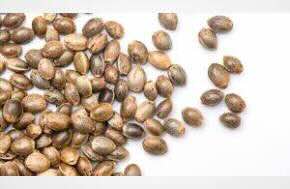
Cannabis seed laws in the United States are not always easy to understand. A consumer may see seeds sold online, read that hemp is federally legal, and assume that ordering cannabis genetics is simple. In reality, the legal status of cannabis seeds depends on several overlapping issues: federal law, state law, THC definitions, shipping rules, local cultivation limits, and how the seeds are intended to be used.
As interest in cannabis genetics continues to grow, consumers often compare seed types, strain characteristics, breeder reputation, and product labeling. Brands such as Fast Buds may come up during that research, especially when buyers are trying to understand modern cannabis seed varieties. However, choosing seeds in the U.S. is not only about genetics, flavor, or plant traits; it is also about understanding compliance before making any purchase.
This article is for educational purposes only and should not be treated as legal advice. Cannabis laws change often, and consumers should always check current federal, state, and local rules before buying, possessing, shipping, or germinating cannabis seeds.
Why Cannabis Seed Laws Are Confusing
One of the main reasons cannabis seed law is confusing is that a seed is not the same thing as a mature cannabis plant. A seed may contain little or no measurable THC, while the plant that grows from that seed may later produce THC-rich flower. This creates an important legal distinction between the seed itself, the genetics it carries, and the plant it may eventually become.
Consumers also need to understand that “legal in one state” does not mean “legal everywhere.” Some states allow adult-use cannabis. Others only allow medical cannabis. Some states have limited low-THC or CBD programs, while others continue to restrict cannabis possession and cultivation more heavily.
According to NCSL, as of June 26, 2025, 40 states, three territories, and Washington, D.C. allowed medical cannabis, while 24 states, three territories, and D.C. allowed or regulated adult non-medical use. NCSL also notes that several states only allow limited low-THC, high-CBD products rather than comprehensive cannabis programs.
Federal Law: Hemp, Marijuana, and THC Thresholds
Federal cannabis law has historically drawn a distinction between hemp and marijuana based on THC concentration. Under USDA guidance, hemp has been defined as Cannabis sativa L. and any part of that plant, including seeds, with no more than 0.3% THC on a dry-weight basis. Cannabis above that threshold has generally been treated as marijuana under federal law.
However, federal hemp law is not static. CRS explains that Public Law 119-37 amended the federal definition of hemp by moving toward a total THC standard, including THCA, rather than only delta-9 THC. CRS also notes that the revised definition addresses viable seeds from cannabis plants that exceed the relevant THC threshold.
For consumers, the key point is simple: cannabis seed compliance should not be based on outdated assumptions. A seed may seem small and inactive, but the legal rules around cannabis genetics can depend on federal definitions, state rules, intended use, and how the product is marketed or shipped.
Are Cannabis Seeds Treated the Same as Cannabis Plants?
Not always. A cannabis seed, a germinated seed, a living plant, and harvested cannabis flower may be treated differently under the law.
This is especially important because the legal risk can change once a seed is germinated or cultivated. In some states, seed possession may be treated differently from growing cannabis plants. In other states, cultivation may be restricted to licensed businesses, registered medical patients, or adult-use consumers within specific plant-count limits.
Consumers should separate three questions:
- Is it legal to possess cannabis seeds in my state?
- Is it legal to germinate or cultivate those seeds?
- Is it legal to receive those seeds through the mail or from an online seller?
A “yes” to one question does not automatically mean “yes” to all three.
State Laws: Why Location Matters
State law is often the most important practical factor for consumers. Even when a cannabis-related product appears to fit a federal hemp definition, state laws may create additional restrictions.
Some states regulate cannabis seeds within broader cannabis programs. Others may distinguish between hemp seeds, marijuana seeds, medical-use cannabis, adult-use cannabis, and home cultivation. In adult-use states, consumers may still face limits on age, possession, plant counts, where cannabis can be grown, and whether seeds can be sold through licensed channels.
In medical-only states, access may depend on patient registration, physician certification, or purchase through approved dispensaries. In states without broad cannabis legalization, possession or cultivation may create legal risk.
Because state laws vary significantly, consumers should review official state cannabis agency guidance before purchasing seeds. NCSL’s state cannabis resources show how different cannabis laws remain across the country.
Shipping Cannabis Seeds: What Consumers Should Check First
Shipping is another area where consumers should be cautious. The fact that a website accepts an order does not automatically mean the shipment is lawful in the buyer’s state or under carrier rules.
USPS states that marijuana, medical or otherwise, is not allowed in domestic mail, while hemp and CBD products are allowed only under restrictions. USPS also states that certain hemp-based products may be mailed domestically only when the sender complies with all applicable federal, state, and local laws and keeps compliance records such as lab results, licenses, or reports. USPS separately lists hemp-based products, including CBD, as prohibited for international mailing.
Before ordering cannabis seeds online, consumers should check:
- Does the seller ship to my state?
- Does my state allow possession of cannabis seeds?
- Does my state allow germination or home cultivation?
- Are there age restrictions?
- Are there city or county rules?
- Is the package crossing state or international borders?
- Does the seller provide clear compliance information?
If the answer is unclear, the safest approach is to pause and verify before purchasing.
Genetics and Labeling: What Consumers Should Understand
Cannabis genetics are one reason consumer interest in seeds has grown. Buyers may compare feminized seeds, CBD-rich genetics, terpene profiles, cannabinoid potential, strain families, breeder reputation, and modern seed categories.
But genetics and legality are separate issues.
A seed catalog can describe aroma, flavor, plant traits, or expected cannabinoid potential, but those descriptions do not determine whether the seed is legal in a specific jurisdiction. Likewise, a brand name does not override state law, federal law, shipping restrictions, or cultivation limits.
Consumers should also be careful with marketing language. Terms such as “souvenir,” “collector seed,” “hemp seed,” or “genetics” may appear in product descriptions, but they do not automatically answer the legal questions that matter most: possession, shipping, germination, cultivation, and use.
A Simple Compliance Checklist for Consumers
Before buying cannabis seeds, consumers should review:
- Federal hemp and cannabis definitions
- Current state cannabis laws
- Local city or county restrictions
- Whether seed possession is allowed
- Whether germination or cultivation is allowed
- Medical vs adult-use requirements
- Age limits
- Shipping restrictions
- Seller terms and disclaimers
- Whether legal advice is needed
This checklist is especially important because cannabis law is changing at both the federal and state levels. Federal definitions, state cannabis programs, local rules, and carrier policies can all affect whether a purchase is compliant.
Compliance Tips for Seed Brands and Online Retailers
Seed brands and online retailers should avoid broad claims such as “legal everywhere” or “ships legally to all states” unless those claims are carefully verified. A stronger compliance approach includes clear disclaimers, jurisdiction-specific shipping policies, age-gating where appropriate, transparent labeling, and careful avoidance of medical claims.
Retailers should also distinguish between educational genetics content and content that could encourage unlawful cultivation. A brand can explain strain categories, seed types, cannabinoid terminology, and terpene profiles without suggesting that consumers ignore state or local rules.
The most responsible legal positioning is transparency: clear information, responsible disclaimers, and reminders that consumers must follow the law where they live.
Common Consumer Mistakes
Many legal problems begin with assumptions. Common mistakes include assuming that seeds are legal everywhere, confusing hemp law with marijuana law, ignoring state cultivation limits, relying on outdated federal guidance, or believing that successful shipping means legal possession.
Another common mistake is treating cannabis law as a single national rule. In practice, cannabis compliance is layered. Federal law matters. State law matters. Local law matters. Carrier rules matter. The intended use of the seed may also matter.
Consumers should also avoid relying only on social media, forums, or old blog posts. Cannabis law changes frequently, and outdated information can create unnecessary legal risk.
Genetics Matter, But Compliance Comes First
Cannabis genetics are becoming more sophisticated, and consumer interest in seeds continues to grow. But in the United States, legality depends on more than a strain name, seed type, or breeder reputation.
Consumers should understand the difference between seeds, plants, and finished cannabis products. They should review federal definitions, check current state law, understand shipping restrictions, and avoid relying on outdated assumptions.
The bottom line is simple: genetics may influence quality, flavor, and consumer interest, but compliance determines what is legally possible. Before buying cannabis seeds online, consumers should slow down, verify the rules, and make sure their decision fits the law where they live.