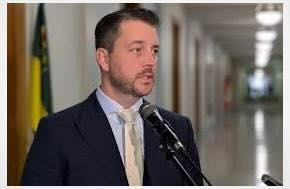
Saskatchewan’s Justice Minister says a new provincial law aimed at illicit drugs is designed to give families and government another way to hold traffickers accountable and recover damages tied to drug-related harm.
Justice Minister and Attorney General Tim McLeod said the Response to Illicit Drugs Act, which came into force June 1, allows civil action to be taken against people involved in producing or trafficking illegal drugs.
The province says the legislation is intended to complement existing federal criminal laws by focusing on civil remedies for harms linked to drug activity, rather than replacing criminal enforcement.
Civil action for drug-related harm
McLeod says the province is working within its jurisdiction to address what he calls the “civil harms” caused by the drug trade.
“What we are capable of doing in Saskatchewan is to take measures to address the civil harms,” McLeod said. “It allows for families or the government to have a civil cause of action against someone who is trafficking or producing drugs.”
Under the act, government or individuals could seek damages through the courts related to costs and harms associated with drug production or trafficking, though the law has only just come into force and has not yet been tested in court.
Law aimed at deterrence
McLeod says the legislation is intended as a deterrent, but its effectiveness will take time to measure.
“That’s within the provincial jurisdiction and it’s certainly something that’s new and makes it a significant deterrent for anybody who might want to be in the drug game in Saskatchewan,” he said.
Part of broader public safety strategy
The new act is part of a broader provincial approach to community safety and addiction response, which also includes measures targeting trespassing, abandoned properties, and weapons in public spaces, along with funding for policing and addiction recovery supports.
McLeod says those efforts are meant to work together.
“We’re trying to do what we can together with our local law enforcement to allow for safer communities right across Saskatchewan,” he said.