The U.S. military has killed more than 200 people in strikes on boats in the Caribbean and Eastern Pacific in the last nine months in what legal experts and former military lawyers broadly agree constitute illegal military orders that service members should refuse to follow.
While there is no record of troops refusing to follow these orders, at least a handful of service members grappling with these questions have sought legal advice, according to anonymous hotlines for U.S. military members.
Before the Trump-era boat strikes, the United States viewed the drug trade as a law enforcement issue and tasked the Coast Guard with interdicting boats trying to bring drugs into the country.
Since then, the Trump administration has released no evidence that any of the suspected narco-trafficking boats carried drugs or that their occupants worked for drug cartels. It has never identified the people it killed – just a handful of names have been published in news reports. Family members also filed a federal lawsuit naming their relatives, whom they allege were murdered by the United States.
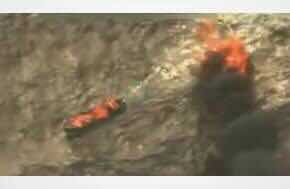
The military has published dozens of videos of the attacks on social media – grainy, black and white videos taken from above of boats speeding through the water before they explode into balls of flame.
And Trump officials continue to say the attacks are lawful. At a June 2 Senate budget hearing, Secretary of State Marco Rubio said every boat strike “has a legal officer on the deck that has to make a determination about whether the call is legal or not.”
The Pentagon referred USA TODAY’s questions to U.S. Southern Command, which oversees military operations in South America and the Caribbean. The command said in a statement: “All operations are conducted deliberately and lawfully, in full compliance with U.S. and international law, including the law of armed conflict.”
“All targeting criteria are developed according to legal, operational, and intelligence requirements.”
Since the first strike on Sept. 2, scores of legal experts and former military lawyers have characterized the strikes as extrajudicial killings or murders. Members of the military are required by U.S. law to refuse illegal orders.
Dan Maurer, a retired Army lieutenant colonel and former military lawyer, said he hoped the boat strikes would serve as an example for future generations.
“It’s going to be a shameful episode in the history of American military operations, and I hope it becomes a case study in what not to do,” he said.
Read the full article