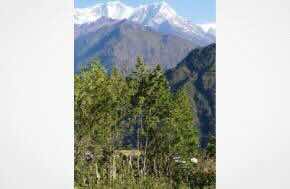
Whatever Nepal decides on cannabis, it should first document its landraces
Cannabis has been part of Nepal’s flora and rural economy for centuries, cultivated and semi-managed across hills long before it was prohibited under the Narcotic Drugs (Control) Act of 1976. Nepal is home to indigenous, locally adapted cannabis populations, i.e., landraces that remain poorly documented, and the policy shift now underway could eliminate them before science has had a chance to study them.
Gandaki Province has passed a bill permitting cannabis farming for medicinal and industrial purposes, Karnali has raised its cultivation for oil, Ilam has begun a monitored hemp pilot and the federal budget has referenced its commercialisation. What matters is that any move towards large-scale, market-driven cultivation carries a specific and often overlooked biological cost.
A landrace is not simply an ‘old strain’. In population-genetic terms, it is a heterogeneous, locally adapted population carrying allelic variation shaped by generations of natural and human selection in a particular environment. Nepal’s hill and high-mountain cannabis populations represent one such reservoir.
Read More