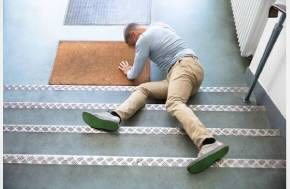
A slip and fall accident can happen in seconds, but the medical bills and financial strain that follow can persist for months. Whether it occurs on a wet floor inside a retail shop, an icy entryway of a dispensary, or an unlit stairwell on a commercial property, these incidents often leave individuals with severe injuries and unclear options for recovery. When a business or property manager fails to maintain a safe environment, understanding the legal framework surrounding premises liability helps injured parties take the right steps toward compensation. Seeking legal counsel from a firm experienced in handling premises liability and slip and fall cases can ensure that your rights are protected against aggressive insurance providers.
Property owners, commercial tenants, and managers owe a duty of care to customers, workers, and visitors. When hazardous conditions are ignored, the resulting legal claims require a clear demonstration of negligence, a proper assessment of fault, and thorough evidence collection.
What Defines a Slip and Fall Claim?
A slip and fall claim is a specific type of legal action that arises when a person suffers an injury due to a dangerous or poorly maintained condition on someone else’s property. These accidents extend beyond simple trips; they frequently involve significant physical trauma caused by hazards that should have been addressed by the property owner or manager.
Common causes of slip and fall claims on commercial and private properties include:
- Uncleaned liquid spills, recently mopped floors, or tracked-in rainwater without warning signs
- Uneven pavement, cracked sidewalks, or unmaintained parking areas
- Loose floorboards, torn carpeting, or mats that lack non-slip rubber backing
- Inadequate lighting in hallways, stairwells, or exterior walkways
- Cluttered aisles, loose wiring, or hidden obstacles in public walkways
- Damaged or missing handrails along staircases
These incidents fall under the legal principle of premises liability. Under premises liability law, property owners, landlords, and commercial operators are legally required to maintain reasonably safe conditions for anyone lawfully on the property.
Common Injuries Resulting from Slip and Fall Incidents
The physical impact of a fall on hard surfaces like concrete, tile, or hardwood can be severe. Victims often suffer injuries that require emergency medical treatment, physical therapy, or extended leave from work.
Frequently documented injuries include:
- Bone Fractures: Wrist, arm, ankle, and hip fractures are extremely common when individuals instinctively try to break their fall.
- Traumatic Brain Injuries (TBIs): Concussions and closed-head injuries occur when a person strikes their head against the ground or nearby fixtures.
- Spinal Cord and Back Injuries: Herniated discs, fractured vertebrae, and nerve damage can cause chronic pain and long-term mobility issues.
- Soft Tissue Damage: Torn ligaments, severe sprains, and joint dislocations often require surgery and extensive rehabilitation.
- Lacerations and Severe Contusions: Deep cuts and severe bruising from sharp edges or rough surfaces may lead to scarring or secondary medical complications.
For older adults, fall-related injuries carry elevated risks. Medical recovery can be long and complicated, significantly altering an individual’s quality of life and independence.
Legal Requirements for Property Owners and Operators
To succeed in a slip and fall claim, an injured party must prove that the property owner or operator failed to fulfill their legal duty of care. The law does not automatically hold property owners responsible for every fall that takes place on their premises. Instead, responsibility hinges on the legal concept of legal notice.
To establish liability, the evidence must show one of three things:
- Direct Creation: The property owner, employee, or manager directly created the dangerous hazard (for example, spilling a substance and failing to clean it up).
- Actual Notice: The owner or operator knew the hazardous condition existed (for instance, receiving complaints about a leaking pipe or damaged step) and failed to repair or restrict access to it.
- Constructive Notice: The dangerous condition existed for a long enough time that a reasonable property manager using ordinary care should have discovered and fixed it before an injury occurred.
Property operators are expected to conduct routine inspections and address known dangers promptly. When immediate repairs are not possible, clear warning markers or barricades must be placed around the hazard to alert visitors.
Why Insurance Companies Resist Slip and Fall Claims
Insurance providers representing businesses and property owners actively investigate fall incidents to minimize payout amounts. Because premises liability claims rely heavily on physical evidence and timeline reconstruction, insurers often deploy specific defense tactics early in the process.
A common tactic involves challenging whether the property owner had reasonable time to discover the hazard. Insurance adjusters may argue that a spill occurred seconds before the fall, leaving no time for staff to intervene. Adjusters may also contact the injured party shortly after the incident to secure recorded statements, using carefully framed questions to undermine the claimant’s account or downplay the severity of the injuries.
Understanding Comparative Fault Rules
Another major defense tactic in slip and fall cases relies on the doctrine of comparative fault. Under comparative fault standards, an insurance company attempts to shift part or all of the legal blame onto the injured person.
Common arguments raised by insurance adjusters include asserting that the victim:
- Was distracted by a mobile device or not looking where they were walking
- Entered an area marked as restricted or off-limits to the public
- Wore footwear that contributed to the fall
- Failed to notice an open, obvious hazard that any reasonable person would have avoided
In jurisdictions that use comparative fault systems, any financial award is reduced by the percentage of responsibility assigned to the victim. For instance, if a claimant is awarded $50,000 in medical costs and lost wages but is found 20 percent at fault for being distracted, the final recovery is reduced to $40,000. In modified comparative fault jurisdictions, if an injured party’s share of responsibility reaches 50 percent or 51 percent (depending on local statute), they are completely barred from recovering compensation.
Crucial Steps to Take After a Slip and Fall Incident
The actions taken immediately following an accident play a vital role in building a solid legal claim and protecting your health.
- Report the Incident Immediately: Inform the business manager, property owner, or landlord right away. Ensure an official incident report is filed, and request a copy for your records before leaving.
- Seek Immediate Medical Attention: Visit an emergency room, urgent care facility, or primary physician immediately. Prompt medical evaluation creates an official link between the fall and your injuries.
- Document the Scene Thoroughly: Capture detailed photographs and videos of the exact hazard, surrounding area, lighting conditions, and any missing warning signs. Take pictures of your injuries and damaged clothing or footwear.
- Identify Potential Witnesses: Gather names, phone numbers, and contact details from anyone who saw the fall or noticed the hazard prior to the incident.
- Preserve Physical Evidence: Store the footwear and clothing worn during the fall in a safe place without washing or altering them.
- Avoid Making Statements to Adjusters: Refrain from posting about the accident on social media platforms or providing recorded statements to insurance investigators until you have consulted legal representation.
Key Data on Fall-Related Injuries
Slip and fall incidents represent a significant portion of preventable injuries nationwide across various demographics. Data maintained by public health agencies highlights the ongoing impact of these preventable accidents. According to official figures published by the Centers for Disease Control and Prevention, falls remain a primary cause of non-fatal emergency department visits across all age brackets, with older populations facing disproportionately severe health outcomes following severe falls.
Proper maintenance, routine hazards checks, and adherence to municipal building codes significantly reduce these risks on commercial properties.
How Legal Counsel Supports a Premises Liability Claim
Navigating a premises liability claim requires gathering clear evidence, interpreting complex insurance language, and understanding state negligence laws. A legal team experienced in personal injury and property owner duty of care assists injury victims by:
- Securing critical evidence, such as commercial store surveillance footage, maintenance records, and employee shift logs before data is overwritten
- Working with medical experts and economic planners to calculate total expenses, including current treatment costs, lost income, and long-term care needs
- Managing all communications, filings, and settlement negotiations directly with insurance representatives
- Preparing the claim for trial if the insurer refuses to offer a settlement that covers the full extent of the damages
Property owners have a clear legal duty to keep public and commercial spaces safe for everyone. When negligence leads to preventable harm, knowing your legal rights helps ensure you receive proper medical care and financial recovery. Taking prompt legal action ensures that critical evidence is preserved and your rights remain fully protected.