Posted 4 December 2025
He writes
Spain Has Entered a New Regulatory Phase — But the Medical Cannabis Model Risks Collapsing Under Its Own Weight
The legal breakthrough is real, but the operational design may prevent patients from accessing it.
The question now is whether Spain can turn a historic regulatory shift into a functional medical system.
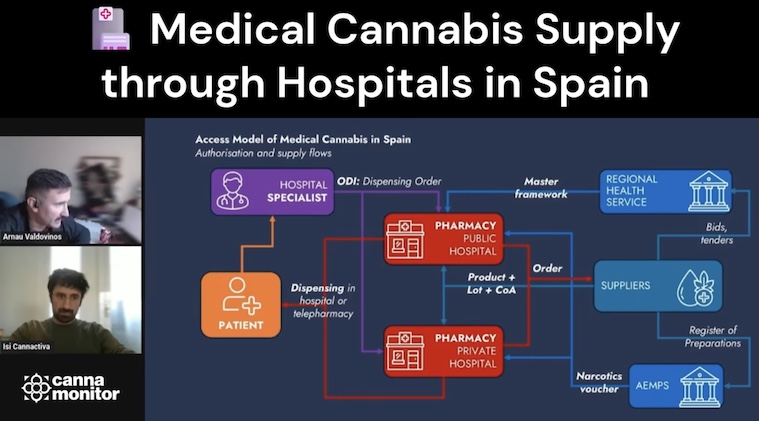
Royal Decree 903/2025 introduces a regulated framework, but only through:
Hospital specialists as the sole prescribers
Dispensing exclusively in hospital pharmacies
A very narrow monograph defining extract-based preparations
️ Full oversight from AEMPS + regional authorities
Spain ends up with one of the tightest access models in Europe—more reflective of narcotic governance than of modern medical cannabis systems.
⏱️ Regulatory Timeline: A System in Motion, But How Fast?
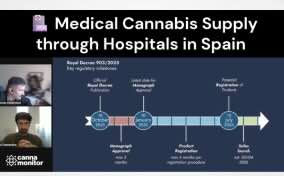
9 October 2025 → Royal Decree published
Before 10 January 2026 → AEMPS must approve the monograph
AEMPS will have 6 months to resolve each product registration dossier
Realistic first dispensation to patients: H2 2026
An AEMPS spokesperson mentioned timelines are tight but the Agency is aiming to meet them.
A Model Born Already Under Pressure
Hospital dispensing creates immediate structural bottlenecks:
Only 353 hospitals have a pharmacy service
⚕️ 2,550 pharmacists + 9,936 staff for all outpatients
Each pharmacy manages ~3,635 outpatients
Adding cannabis to a system operating at saturation risks delays and geographic exclusion.
Prescribing Capacity Exists — But Adoption Won’t Be Automatic
Despite over 20,000 hospital specialists authorised to prescribe:
️ Only 38% of pain specialists have ever used cannabis clinically
✔️ Among those with experience: 72% believe it is effective, 83% safe
❗ Among those without experience: Only 17% find it effective, 78% safe
Without structured clinical and pharmacological training, legal access will not translate into real prescriptions.
Demand Will Outgrow the Model Immediately
More than 250,000 patients already self-medicate today. If Spain evolved toward a German-style framework, patient numbers would exceed 500,000 annually and require over 80 tonnes a year. The hospital-only model is not designed to absorb that volume.
Three immediate adjustments to prevent structural bottlenecks:
1. Hospital Telepharmacy — reduces congestion, expands rural access and improves continuity of care.
2. Inclusion of Private Hospitals — increases prescribing and dispensing capacity across the system.
3. Primary Care Prescription — aligns Spain with international standards and unlocks real scalability.
⚠️ Spain has finally taken the regulatory step it postponed for years. But unless the model evolves beyond its initial hospital-only design, access could remain slow, uneven and structurally limited. Therapeutic advance should not become a bureaucratic privilege.