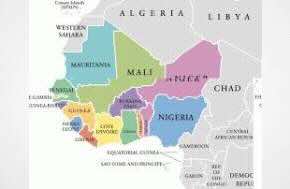
A new report warns that 30 percent of European-bound cocaine transits through West Africa, fueling state corruption and a growing local crack epidemic.
The Atlantic coastline of West Africa has transformed into a strategic chokepoint for global narcotics trafficking, with new intelligence indicating that at least 30 percent of the cocaine destined for European markets now transits through the region. This influx is not merely a logistical shift in international smuggling routes it is actively eroding the foundational institutions of affected nations, fueling systemic corruption that reaches the upper echelons of government, and fostering a burgeoning local epidemic of crack cocaine consumption.
For citizens in the region, the consequences are immediate and devastating. The massive injection of illicit capital is destabilizing local currencies, inflating property markets in port cities, and, most critically, creating a parallel economy where state officials are increasingly incentivized to prioritize the interests of criminal syndicates over public welfare. As West Africa becomes a permanent fixture in the global cocaine supply chain, the security architecture of the region is being tested by forces with financial resources that often exceed the annual budgets of the ministries meant to police them.
A Shifting Atlantic Landscape
The transition of West Africa from a peripheral staging ground to a central pillar of the global cocaine trade is a product of sophisticated logistics and the exploitation of governance gaps. Historically, international law enforcement focused heavily on the Caribbean and the direct trans-Atlantic routes. However, as surveillance intensified in the Americas, cartels turned their attention to the vast, porous coastlines of the Gulf of Guinea and the Sahelian corridor.
The current scale of this operation is unprecedented. Regional authorities, often under-equipped and overstretched, are struggling to monitor the thousands of shipping containers that pass through major ports annually. Investigative data suggests that traffickers are utilizing a mixture of legitimate maritime logistics—hiding product in bulk shipments of agricultural goods—and small-scale, high-speed aviation to move product from the coast to inland distribution hubs. The economic value of this transit is staggering, estimated in the billions of US dollars, a figure equivalent to hundreds of billions in Kenya Shillings when adjusted for local purchasing power.
- 30 percent of European-bound cocaine currently moves through West Africa.
- Transshipment centers have expanded from coastal hubs to landlocked nations in the Sahel.
- Illicit drug proceeds are increasingly linked to the financing of non-state armed groups.
- Port corruption has become the primary mechanism for facilitating large-scale movements.
The Mechanics of State Capture
The corruption fueled by the cocaine trade is not random it is structural. In countries where the illicit flow has become embedded, it creates a phenomenon often described by political scientists as state capture. This occurs when criminal networks provide the funding for political campaigns or bribe customs officials, judiciary members, and security personnel to ensure the smooth passage of contraband.
The impact of this subversion is profound. When a police commissioner or a port authority official is on the payroll of a drug cartel, the entire apparatus of law and order is compromised. This reality makes it nearly impossible for domestic anti-corruption agencies to function effectively, as they are often investigating the very people who hold power over their budgets and operational mandates. The result is a cycle of impunity where the most dangerous traffickers operate in broad daylight, shielded by the protective cloak of compromised state actors.
The Localized Crisis: From Transit to Addiction
Perhaps the most overlooked, yet damaging, aspect of this crisis is the “spillover effect” onto local populations. For decades, the narrative focused on West Africa as a mere transit point for cocaine destined for the affluent markets of Europe. That premise is increasingly outdated. A significant percentage of the product is now being diverted into local markets, where it is processed into crack cocaine and sold at prices accessible to local youth.
Public health experts in the region are raising alarms about an emerging crisis of addiction. Unlike powdered cocaine, which remained a luxury item for the elite, crack cocaine is devastating in its immediate impact on the nervous system and is significantly cheaper to produce and distribute. The rise in crack consumption is fueling an increase in street-level violence, petty crime, and mental health crises, overwhelming hospitals and social services that were already struggling to provide basic care.
A Mirror Across the Continent: The East African Context
For observers in Nairobi, this West African crisis should serve as a stark warning. While the geography differs—Kenya and East Africa face the primary threat from heroin and methamphetamine routes across the Indian Ocean—the systemic vulnerabilities are eerily similar. The expansion of port facilities in Mombasa and the modernization of infrastructure across the East African Community are intended to boost legitimate trade, but they also offer new opportunities for criminal syndicates to hide illicit goods in plain sight.
Economists at the University of Nairobi have long argued that maritime security and regional intelligence sharing are the only viable defenses against the “transit-hub curse.” If a country’s ports become known as permeable to high-value illicit cargo, the cost of doing legitimate business rises. Insurance premiums for shipping companies increase, and foreign direct investment begins to shy away from sectors that are perceived as being under the influence of criminal capital. The West African experience demonstrates that once drug-fueled corruption reaches the highest levels of government, the process of reclamation is exceptionally difficult and costly.
As the international community debates the best response—whether through increased naval patrols, enhanced judicial cooperation, or developmental aid to address the root causes of poverty that drive youth into the drug trade—one reality remains unchanged: the drug trade thrives in the absence of governance. West Africa is currently holding a mirror to the risks inherent in a globalized, connected world. Whether East Africa chooses to learn from these lessons or repeat the same mistakes remains the defining security question of the decade.
https://streamlinefeed.co.ke/news/cocaines-grip-on-west-africa-destabilizes-regional-governance