Marijuana Moment
California’s attorney general says Indian tribes cannot independently engage in marijuana commerce with licensed cannabis businesses without first obtaining their own commercial license from state officials.
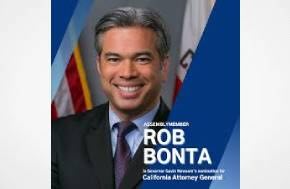
Assemblymember Anamarie Avila Farias (D) had requested the opinion from Attorney General Rob Bonta’s (D) office as a bill moves through the Assembly to authorize state-licensed marijuana businesses to buy and sell products from operators licensed by tribal governments within California’s borders.
That legislation, from Assemblymember Gregg Hart (D), was amended to make it so the governor would be allowed to enter into agreements with federally recognized Indian tribes to engage in intrastate cannabis commerce with state licensees, pending “federal approval or toleration.”
It would build upon an existing law that empowers the governor to authorize interstate cannabis commerce, with exports and imports between businesses licensed in California and those licensed in other states, if they meet certain regulatory standards and the activity is sanctioned by the federal government.
Bonta’s office has previously determined that no such federal permission exists to allow for such agreements, but advocates have recently raised questions about whether that could change given the Trump administration’s move to reschedule medical marijuana in legal states.
In any case, the Hart bill to expand the law with the tribal provisions passed the Assembly in a 77-0 vote last week, sending it to the Senate. And in the interim, the state attorney general’s office on Thursday responded to Avila Farias’s related legal question.
“May a federally recognized Indian tribe located exclusively within the exterior boundaries of the State of California conduct intrastate commercial cannabis activity with state licensees off tribal lands without obtaining a commercial cannabis license from the California Department of Cannabis Control, if the tribe has adopted laws substantially comparable to California’s cannabis regulatory framework?” the assemblywoman asked the office.
In short, Bonta’s office said, the answer is “No.”
“With limited exceptions, California law requires every entity that engages in intrastate commercial cannabis activity with California licensees to hold a license issued by the Department of Cannabis Control,” it said. “To engage in such activity off tribal lands, a tribe must hold a California commercial cannabis license.”