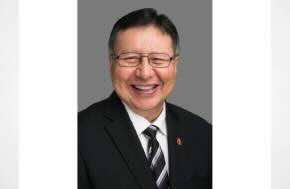
Former senator Dan Christmas says that little was put in place to include the First Nations communities when cannabis was first legalized in 2018 — and that’s causing problems.
“Cannabis retailers in my community (of Membertou) had no rules to follow,” he told the standing Senate committee for Indigenous People recently. “We basically had an unregulated industry at the beginning. It was because of all those issues and all of the community problems that arose, that we are doing this backwards.”
COMMON RULES
He said in Nova Scotia, there has been no opportunity to develop a common set of rules as has happened in other provinces such as Alberta where regulations are left up to the municipalities.
“It’s like trying to put the genie back in the bottle,” he said.
Christmas said the federal Cannabis Act as regulated in some provinces is failing to live up to the United Nations Declaration on the Rights of Indigenous Peoples’ intent of self-determination and governance of the health, safety and well-being of all First Nation communities as it relates to cannabis.
Christmas appeared before a recent meeting of the standing Senate committee as it continues looking into a report called “On the Outside Looking In: The Implementation of the Cannabis Act.”
The retired senator was one of several witnesses who spoke to the committee about the effects the Cannabis Act is having on Indigenous people.
Sara Mainville, a senior lawyer and managing partner with JFK Law LLP, a national Aboriginal law firm headquartered in Toronto said “speaking about inherent jurisdiction, Indigenous peoples have been managing resources and fulfilling their obligations to the land, waters and all creation since time immemorial.
“These obligations are not frozen in time but instead have meant managing resources as they arise in our communities, including when cannabis and cannabis products were legalized in October 2018.
“I’ve worked with communities such as Membertou First Nation, which is currently working on a draft cannabis law and engaging with the community despite tobacco tax enforcement happening on their reserve lands and Cannabis Act enforcement happening across Mi’kma’ki.”
Mainville has also worked with other communities in other provinces and it is clear that First Nations want to be able to enforce cannabis laws on their own lands.
“Many of my clients want to have licensed cultivation and processing facilities, which are federal jurisdiction, along with retail stores, which are provincial jurisdiction.”
She continued by saying that many First Nations “don’t have the friendliest environment for provincial relations” and haven’t been able to work together to have a clear solution to enacting laws.
Read more
https://www.saltwire.com/cape-breton/retired-senator-presents-membertous-cannabis-case