
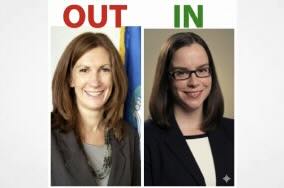
Interesting update and analysis in a Linked In post by Louis J. Rinaldi about the new Chief of Legal and Regulatory Affairs M. Caitlin Anderson in Connecticut.
Rinaldi highlights the fact that for the past decade Anderson has worked in the Liquor Control Division and has servied as its Director since 2021 and is he says has a “institutional alignment with the alcohol industry”
At the very least, Rinaldi suggests, she’ll be viewing cannabis through alcohol optics
Here’s Louis’ full post








Quiet Leadership Shakeup at CT DCP Raises Questions for Cannabis Policy
While the 2025 headlines have focused on the fallout from the Rodrick Marriott investigation, a more subtle but significant shift has occurred in the legal leadership at the Connecticut Department of Consumer Protection.
Following the departure of former Legal Director Julianne Avallone, the agency has elevated M. Caitlin Anderson to the role of Chief of Legal and Regulatory Affairs.
For those tracking the future of Connecticut cannabis, this appointment warrants close attention for two reasons:
1. The “Alcohol Lens” on Cannabis
Anderson is not a cannabis specialist; she is a career alcohol regulator. She spent the last decade in the Liquor Control Division, serving as its Director since 2021. Her tenure was defined by a collaborative relationship with the state’s powerful alcohol wholesalers, the very same interests currently lobbying to restrict hemp-derived THC and move cannabis products into their distribution channels.
2. The Context of the Hire
This promotion serves as a stabilization move following the destabilizing scandal involving the retaliatory inspection of a cannabis cultivator earlier this year. By installing an internal veteran from a “stable” division (Liquor), the DCP is signaling a return to order. However, it also signals a potential shift toward applying rigid, alcohol-style three-tier regulations to a cannabis industry that requires more flexibility to survive.
As the lines between the alcohol and cannabis markets blur, having a career liquor regulator as the final legal authority on cannabis policy could fundamentally tilt the playing field.
The primary conflict of interest concerning Anderson is her institutional alignment with the alcohol industry, which is currently fighting to capture market share from the cannabis industry (specifically regarding THC-infused beverages).
Relationship with Alcohol Lobby:
Anderson has a documented history of being “collaborative” with powerful alcohol interests. Industry publications like Beverage Journal, Inc. have highlighted her friendly relationship with the WINE AND SPIRITS WHOLESALERS OF CONNECTICUT INC (WSWC), noting her attendance at distributor tours and her willingness to grant blanket regulatory waivers for delivery times to benefit wholesalers.
Why this matters: The WSWC is a major lobbying force that has pushed for hemp-derived THC beverages to be sold exclusively in package stores (under alcohol regulations) rather than in dispensaries.
Regulatory Capture Concern:
By placing a career alcohol regulator in charge of cannabis legal interpretation, the DCP risks applying “liquor logic” to cannabis, a move that often favors established alcohol distributors over independent cannabis operators. Her background suggests she may favor the strict, three-tier distribution model used for alcohol, which cannabis advocates often argue stifles small growers and social equity businesses.