While the hemp industry has been fixated on the November THC deadline, a second regulatory shift has quietly moved from proposal to enforcement and this one is aimed directly at packaging.
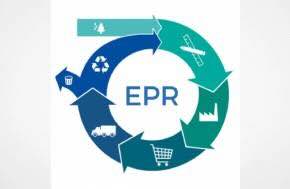
Extended Producer Responsibility, or EPR, makes the companies that put packaging into a market financially responsible for collecting and recycling it. Seven US states have now enacted comprehensive packaging EPR laws: Maine, Oregon, Colorado, California, Minnesota, Maryland, and Washington.
2026 is the year these stopped being theoretical. All seven required producer reporting by May 31, 2026 the first time multiple state programs have imposed simultaneous deadlines. That date has passed.
Who counts as the “producer”
This is the first thing most CBD brands get wrong, in both directions.
The obligated party is generally the brand owner of the company whose name is on the product. It is not usually the packaging manufacturer. If a brand sells a boxed tincture in Colorado, the brand is the producer, not the printer who made the carton.
There’s an important wrinkle for anyone importing. Where no US entity fits the standard producer definition, the obligation typically falls to the first importer or distributor bringing the packaged product into the state. Brands running overseas contract manufacturing should not assume the obligation stays offshore.
Once a company determines it is a producer in a given state, it has to work out which of its packaging meets that state’s definition of “covered material” and those definitions vary, each with its own exemptions. There is no single national answer, which is the central operational difficulty with EPR.
What compliance actually involves
In broad terms: register with the state’s producer responsibility organization, report the types and weights of covered materials supplied into that state during the prior year, and pay fees.
The Circular Action Alliance has been designated as the PRO for six of the seven states, which helps a little one portal, several state-specific frameworks. California adds requirements beyond supply reporting, including source reduction information and plastic component data, with an Individual Source Reduction Plan deadline of August 1, 2026.
Programs are at very different stages. Minnesota and Washington are early. Minnesota’s stewardship plan isn’t due until 2028, and Washington’s implementation isn’t expected to begin until around 2030. Maine, Oregon, Colorado, and California are further along and actively enforcing.
Enforcement is real, not theoretical. Oregon has notified noncompliant producers and published a public list of them. Penalties under these statutes can run to tens of thousands of dollars per violation.
The labeling piece is in flux
Alongside EPR, several states have moved on recyclability claims, the “truth in labeling” question of whether you can print a chasing-arrows symbol on a package that isn’t genuinely recyclable in practice.
California’s SB 343 is the leading example, and its status is currently unsettled. On July 14, 2026, a federal court granted a preliminary injunction barring enforcement, finding several provisions unconstitutionally vague and raising First Amendment concerns. The ruling is preliminary and an appeal is expected.
The sensible reading is that enforcement is paused, not that the requirement has gone away. Continue designing to the standard while watching the appeal.
Why this hits CBD packaging speciffically
Three characteristics make this category more exposed than most.
Overpackaging. A CBD tincture typically involves a glass bottle, a folding carton, sometimes an insert, and a shipping mailer. That’s three or four covered materials for one small product. EPR fees are generally weight- and material-based, so layered packaging is directly more expensive to report and to fund.
Mixed materials. Laminated cartons, metallised pouches, and glass-plus-paperboard combinations are common here and tend to be treated less favourably than clean single-material packaging under fee structures that reward recyclability.
Small brands, multi-state distribution. CBD Boxes sell nationally through
e-commerce almost from day one. A small brand can trigger obligations across several states long before it has anyone whose job is compliance.
The material lever
Here’s the part packaging suppliers should be talking to customers about, because it’s where the two things connect.
EPR fee structures increasingly use eco-modulation packaging that is easier to recycle and is charged less than packaging that isn’t. That turns material choice from a marketing decision into a line item.
Practically, for a CBD carton, that pushes in a fairly clear direction: unlaminated board with an aqueous coating rather than plastic film lamination; high post-consumer recycled content; a tightened dieline that removes the insert entirely; and
single-material construction wherever the product allows it.
Those are the same choices a brand would make for sustainability reasons anyway. What’s changed is that there is now a number attached to not making them.
Where to start
If you sell into any of the seven states, the honest starting point is finding out whether you’re already late. Reporting deadlines have passed in most of them, and the registration step comes before reporting.
After that: confirm which of your packaging counts as covered material in each state, get material weights from your suppliers most brands do not have this data and their printers do and look at whether consolidating to fewer, cleaner materials reduces both fees and cost.
The brands treating EPR as an environmental initiative are going to find it lands on the finance side of the business instead.
This is a general overview of publicly reported regulatory developments, not legal or compliance advice. EPR obligations vary significantly by state and by company structure. Confirm your specific obligations with qualified counsel.