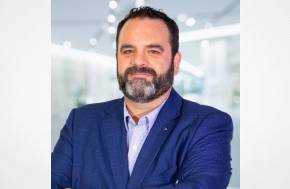
Author- Andrew Proudfoot
|
Solicitor
|
|
|
|
BRISBANE
|
|
|
Level 23, Central Plaza, 345
|
|
QLD
|
|
4000
|
ABSTRACT
People with endometriosis in Australia predominantly consume delta-9 tetrahydrocannabinol cannabis flower and oil products and cannabidiol preparations to manage their symptoms, reporting reductions in the use of other medications. It is established that lower rates of systematic disclosure of risk factors in life insurance settings, particularly of smoked tobacco, can have an impact on premiums, contract terms and claims outcomes; however, less is known about those in respect of cannabis, such as ‘smoker’ or other loadings, exclusions and coverage refusals. This article examines uncertainties surrounding insureds’ disclosure of cannabis consumption for endometriosis management to insurers when purchasing or increasing life, disability or trauma insurances in a cohort of 192 Australians. Better symptom management and reduced consumption of alcohol, tobacco and other medications suggested improved outcomes relevant to endometriosis and obtaining insurances. Disclosure behaviour, however, suggested significant legal risks for life insurers and insureds, as misrepresentations and fraudulent non-disclosure of cannabis use occurred. The outcomes of the study revealed important insurance-related human rights legal issues for insureds and life insurers in the context of certain behaviours, challenging the legal basis for life insurers to discriminate, given the limited actuarial and statistical data about medicinal cannabis as a medication for endometriosis disease.
Introduction
Insurance medicine, as a field, makes health-related assessments—covering diagnosis, prognosis and the effectiveness of interventions—within the context of life and health insurance to support evidence-informed decision-making by insurance professionals.Footnote1 Under Australian law, insureds have a duty to take reasonable care not to make a misrepresentation to life insurers when answering questions about their age, gender, occupation, hours worked, smoker status, substance consumption, family history, health, and pursuit and pastime factors when applying for, or increasing, life insurance covers.Footnote2 However, people with endometriosis who consume cannabis to manage their symptoms face significant difficulties in the use and disclosure of this information. The use and disclosure of cannabis consumption can lead to higher premiums or denial of coverage, raising serious concerns about the right to health and potential discrimination.
Endometriosis is a chronic inflammatory disease, where endometrium-like tissue grows in other parts of the body, causing persistent pelvic pain, period pain, fatigue, nausea, poor sleep and other symptoms that significantly impact people’s lives, including their ability to work.Footnote3 People with endometriosis are not only more likely to report gynaecological symptoms but are also at increased risk for mental health problems and bowel and urinary symptoms.Footnote4
Most Australians with endometriosis experience a diagnostic delay of between 6.4 and eight years.Footnote5 Around half indicate that they have had to reduce their working hours, while more than one in ten report losing their job.Footnote6 The condition is responsible for at least 40,500 annual hospitalisations and its overall economic cost is at least $30,900 per person (or, collectively, $9.7 billion) per annum, 84 per cent of which is attributed to lost productivity.Footnote7 Further, this figure belies a significant ‘self-insurance’ financial burden on people with endometriosis, in terms of spending on medications, surgery and other treatments, which exerts a substantial economic load on a group that may have less earning capacity.
Read the full article
https://www.tandfonline.com/doi/full/10.1080/1323238X.2026.2689780?scroll=top&needAccess=true#d1e225