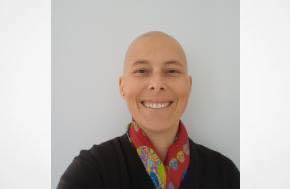
Leela Baer
Cannabis Researcher, Writer, Activist
Learn more about Leela’s work here https://www.linkedin.com/in/leela-baer-72441b158/
And before we start. What? You may ask, is a Daggakop?
Pronounced: /dagha-kawp/ (The G is a rough throaty sound)
Definition: A person who regularly uses or is addicted to marijuana
Source: https://capecolouredculture.co.za/dictionary/daggakop-meaning/
The International Cannabis Symposium was not what I expected. Indeed, it was likely not what most of us expected. After years of expos featuring sales pitches and social glitches, conferences focused on particular topics for particular audiences, summits raising barriers rather than the bar, we can’t exactly be blamed for not expecting the unexpected.
As both representatives and stakeholders from our various fields, facilities, labs, offices, desks, countries, and hotboxes, we converged at the University of Cape Town’s Law Faculty to bluntly hash it out on matters of reform, ethics, development, inclusion, exclusion, illusion, and delusion.
Throughout the panels and ensuing dialogues, themes of shared similarity emerged. The cannabis world is fractured and fragmented by slow, disjointed reforms and reformers who continue to sidestep evidence, human rights, and common sense. Indigenous and traditional knowledge systems are being dislodged in the name of sparkly, exclusive new technologies as well as selective policy reforms largely influenced by profits over people. THC Fear continues to limit potential and development, if not most reforms.
Despite the harsh realities exposed, the discussions were full spectrum – from dissecting constructed narratives to sharing and exploring workable solutions, proven and otherwise, across territories and markets.
Without the usual sales-speak, required formalities, and overall “good behaviour” that are the norm at these events, we could allow our authenticity to lead the way.
With no need to pretend, we finally had a space to dig in deep, get dirty, and even a little flirty with what actually works and what is possible when we realise our problems aren’t unique but shared. We could fully let go and bare our souls along with our teeth (as in laughter, but one could add an “s”) in the ongoing dialogues around panel topics and adjacent concerns and solutions.
As the Symposium progressed, a culture of open-discussion and dialogue quickly formed. Panelists welcomed questions and challenges, and attendees to panels were able to air their experiences, views, fears, and hopes. Our openness allowed for critical analyses of the challenges we face alongside errors made and to be made with the best of intentions.
Yet, the canna-bros, quick-shows, and some late-comers to the ongoing discourse did not understand the nuances under scrutiny, nor did they know their place in this much-needed Symposium aimed at bringing action not simply talk about.
The sales pitches were thankfully relegated to the social events of the night, while libidinous indulgences allowed the truth of impure intentions to be outed. In my few short years in the “formal” cannabis space, I have seen time and time again that those who claim to be accolade-rich always seem to land back in the same ditches they keep clawing their way out of.
Forgive me not, for I know exactly what I do!
Those who promote, support, and implement extractive practices dressed up as (experimental) philanthropy of one sort or the other often find themselves lost when prancing into rooms filled with people working across fields and borders to ensure reforms that are inclusive, equitable, and sustainable.
Marketing tactics are always transparent, and none more so than those seeking relevance over relevance of their contributions to resolving issues shared at community, sectoral, political, and indeed global levels. Their claims to fame are usually just part of a dirty game; they poster-child the desperate for their own gain, and will make spurious statements just to further ill-constructed narratives based in false comparatives.
I would be remiss to not acknowledge that being brought together by the cheeky curation of Sean Hocking and supported by Atiyyah Ferouz as we were was very much part of the assignment. Only, some really did not, could not understand the assignment. Others were quick to have their say and wiggle out of any uncomfortable questions about their misguided statements.
Thankfully, their folly only helped deepen the wider understanding that extractive practices will find their way in at every level, promoting vertical integration while denying true liberalisation of the very people who continue to be criminalised and denied as reforms lag. They were seen for what and who they are, even if some remain beguiled to some degree.
Of course, we are all in this for one reason or the other. The reason, however, matters!