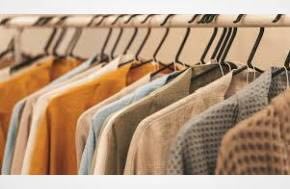
Hemp clothing offers sustainable, innovative options for growth via diverse products, channels, and targeted strategies, integrating eco-friendly fibers to align with consumer and regulatory demands.
Hemp Clothing Market

Dublin, April 08, 2026 (GLOBE NEWSWIRE) — The “Hemp Clothing Market – Global Forecast 2026-2032” report has been added to ResearchAndMarkets.com’s offering.
The hemp clothing market grew from USD 6.16 billion in 2025 to USD 6.80 billion in 2026. It is projected to continue rising at a CAGR of 11.32%, reaching USD 13.05 billion by 2032. This expansion signals sustained interest across global apparel value chains as brands and manufacturers seek resilient, low-impact fiber options.
The hemp clothing market is redefining sustainable apparel, offering corporate buyers a compelling alternative to traditional textile choices. Strategic adoption of hemp addresses both environmental imperatives and emerging consumer priorities, positioning forward-thinking organizations for future-focused growth.
Key Takeaways for Senior Apparel Decision-Makers
-
Hemp clothing offers verified environmental advantages such as lower chemical input requirements and rapid crop cycles, meeting rising expectations among sustainability-focused consumers and stakeholders.
-
Recent innovations in processing and textile engineering allow for softer hand-feel, improved drape, and superior colorfastness versus earlier hemp fabrics-expanding its use from basic categories to premium and performance-oriented apparel.
-
End users and distribution channels require tailored approaches. T-shirts and accessories provide accessible trial opportunities, while premium products for women and children demand advanced quality testing and third-party certifications.
-
Omnichannel strategies that blend direct-to-consumer narratives with targeted wholesale arrangements help brands scale reach and manage sustainability messaging.
-
Partnerships across the value chain-from localized agricultural sourcing to technology-enabled traceability-are critical to supply continuity, margin protection, and risk mitigation as consumer and regulatory scrutiny intensifies.
-
Top-performing companies invest in vertical integration, advanced R&D, and talent that bridges fiber science with regulatory competence. These actions accelerate time-to-market and secure long-term competitiveness.
Market Snapshot,Scope & Segmentation
-
Product Types: Accessories, Dresses & Skirts, Jackets, Pants & Shorts, and T-Shirts. These categories span from low-barrier entry points, such as everyday wear, to more technically demanding, structured garments.
-
Distribution Channels: Department Stores, Online Retail, Specialty Stores. Each channel carries distinct brand positioning strategies and operational needs, shaping the consumer’s path to purchase and providers’ go-to-market models.
-
End Users: Children, Men, Women. Gender and age cohorts drive product requisites, from durability and comfort to certification and safety protocols.
-
Regions: Americas, Europe Middle East & Africa, Asia-Pacific. Regional dynamics encompass regulatory frameworks, agricultural capabilities, and retail landscape variances, directly impacting supply chain decisions.
-
Technologies: Innovations in fiber processing, traceability platforms, closed-loop systems. These advancements close sensory and functional gaps with incumbent fibers and underpin the credibility of sustainability claims.