
Stricter DUI enforcement in Kentucky means tougher penalties, closer monitoring of offenders, and more aggressive roadside enforcement. The state has increased its focus on reducing impaired driving through stronger sentencing rules and expanded policing efforts.
In recent years, new DUI laws have reinforced this stricter approach by increasing penalties for repeat offenders and expanding the use of ignition interlock devices.
Kentucky lawmakers have also supported more frequent sobriety checkpoints and stricter license suspension policies. These changes are designed to reduce alcohol-related crashes and improve public safety.
If you drive in Kentucky, it is important to understand how these enforcement changes may affect you.
What Has Changed in Kentucky DUI Enforcement?
Kentucky has strengthened both penalties and enforcement practices.
Police departments now conduct more sobriety checkpoints, especially during holidays and major events. Officers are also more alert to signs of impairment during routine traffic stops.
Courts have adopted firmer sentencing guidelines for repeat offenders. Judges often have less discretion in reducing penalties.
What Are the Current Legal Limits?
Kentucky follows a 0.08 percent blood alcohol concentration limit for most drivers.
However, stricter limits apply in certain situations:
- Commercial drivers face a 0.04 percent limit.
- Drivers under 21 face a 0.02 percent limit.
Even if a driver is below the legal limit, they may still be arrested if their ability to drive appears impaired.
Are Penalties Harsher for Repeat Offenders?
Yes. Repeat DUI convictions lead to significantly harsher penalties.
Depending on the number of prior offenses, penalties may include:
- Longer license suspensions
- Increased fines
- Mandatory jail time
- Extended probation
Kentucky uses a look-back period to determine repeat offenses. Each additional conviction increases the consequences.
How Do Ignition Interlock Devices Work?
Ignition interlock devices are now common in DUI cases.
The device requires a driver to provide a breath sample before the vehicle starts. If alcohol is detected above a preset limit, the car will not start.
Courts may require installation for:
- Certain first-time offenders
- Drivers seeking restricted licenses
- Repeat offenders
Failure to comply with interlock requirements can result in additional penalties.
What Role Do Sobriety Checkpoints Play?
Sobriety checkpoints are legal in Kentucky and widely used.
At a checkpoint, officers briefly stop vehicles to check for signs of impairment. If they suspect intoxication, they may request field sobriety or breath tests.
These checkpoints are intended to deter impaired driving and increase public awareness.
What Happens After a DUI Arrest?
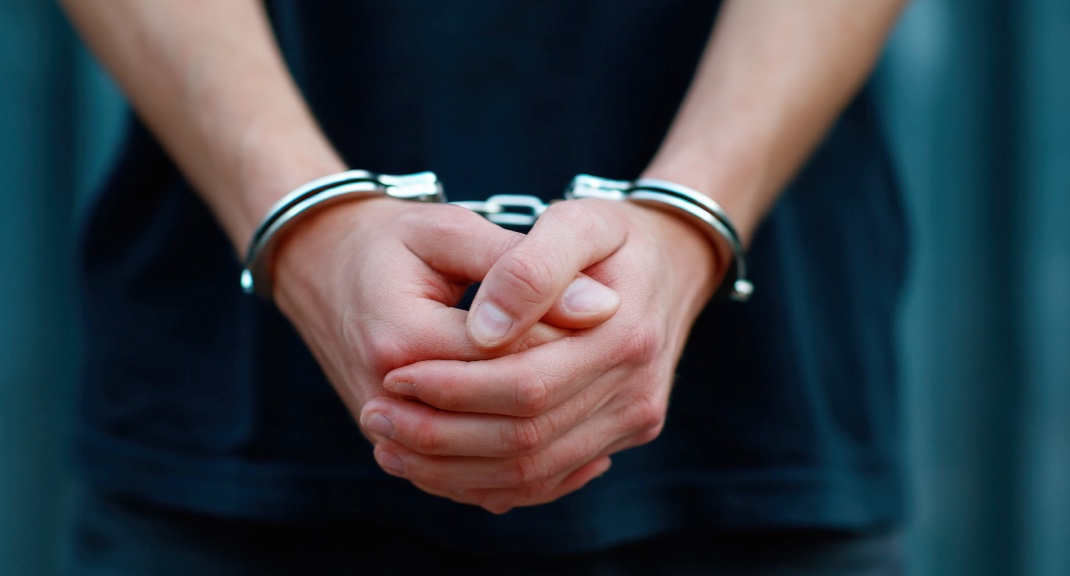
A DUI arrest in Kentucky triggers both criminal and administrative consequences.
Drivers may face:
- Immediate license suspension
- Court appearances
- Fines and court costs
- Possible jail time
In addition, insurance premiums often increase significantly after a conviction.
Can a DUI Charge Be Challenged?
Yes. DUI charges are not automatic convictions.
Possible defenses may question:
- Whether the traffic stop was lawful
- Whether the testing equipment was properly maintained
- Whether field sobriety tests were administered correctly
- Whether the driver’s rights were violated
Each case depends on the specific facts and evidence involved.
What Should You Do If Charged?
Taking prompt action is critical.
- Request copies of all police reports and test results.
- Write down your memory of the stop while the details are fresh.
- Avoid discussing the case publicly.
- Attend all court appearances.
- Consult a DUI defense attorney as soon as possible.
Delaying action can limit your options.
Why Stricter Enforcement Matters
Kentucky’s stricter DUI enforcement reflects a continued effort to reduce traffic injuries and fatalities. Lawmakers and law enforcement agencies aim to prevent repeat offenses and discourage impaired driving.
For drivers, the risks are higher than before. Even a first offense can have lasting legal and financial consequences.
Understanding the law and making responsible choices behind the wheel remains the safest approach.
Key Takeaways
- Kentucky has strengthened DUI enforcement and penalties.
- New laws focus on preventing repeat offenses.
- Legal BAC limits vary by driver category.
- Ignition interlock devices are commonly required.
- Sobriety checkpoints are widely used.
- DUI arrests bring both criminal and administrative penalties.
- Acting quickly after a charge can protect your rights.