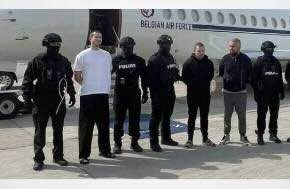
For years, the ‘Mocro Maffia’ and other cartels ran global empires from the safety of the Gulf. But as the UAE turns over high-profile narcos to European police, all eyes have turned to Morocco – and a legal loophole that might not be as safe as it looks.
For years, Dubai served as a “remote coordination hub” for Europe’s most powerful drug cartels, offering a luxurious sanctuary where kingpins could manage global operations with near-impunity. However, a recent and aggressive shift in the United Arab Emirates’ (UAE) cooperation with international law enforcement—marked by high-profile arrests and new extradition treaties—has triggered a “Dubai exodus”.
Why the “Dubai Dream” is Ending
The primary driver of this exodus is the UAE’s pivot toward becoming a central global security actor, closing the legal and financial loopholes that once protected foreign criminals.
- Extradition Treaties: The UAE has signed critical bilateral treaties with European nations to facilitate the handover of suspects. For instance, a 2024 treaty with Ireland has already led to the extradition of senior Kinahan cartel members like Sean McGovern.
- High-Profile Arrests: In coordination with Europol and INTERPOL, Dubai police have arrested major figures, including Edin Gačanin (Balkan “Tito and Dino” cartel) and Faissal Taghi (son of the “Mocro Maffia” leader).
- Financial Crackdown: After being placed on the Financial Action Task Force (FATF) “grey list” in 2022, the UAE tightened monitoring of cash flows and real estate. In late 2025, authorities even began freezing luxury properties linked to drug trafficking in France.
- Regional Instability: Ongoing conflict involving Iran has further diminished Dubai’s reputation as a stable, untouchable safe zone.
Scouting for a New Sanctuary
As Dubai becomes increasingly hostile, kingpins are exploring alternative hubs that offer similar benefits—low oversight, easy money laundering, and weak extradition ties to Europe.
 United Nations Office on Drugs and Crime +4
United Nations Office on Drugs and Crime +4- Morocco: Seen as a major contender due to its logistical importance and existing legal loopholes, though authorities there are also under increasing pressure to cooperate with European police.
- Turkey: Frequently cited by judicial sources as a burgeoning center for international criminal activities.
- Southeast Asia: Locations like Indonesia and Bali are being scouted as potential remote bases for laundering and coordination.
- West Africa: Now serving as a strategic logistical corridor where cargo can be managed before reaching European ports.
While these new territories offer temporary refuge, the dismantling of the “Dubai sanctuary” signals a broader, more unified international effort to disrupt the remote-management model of global drug cartels.
Source Google AI