
Introduction
A great dry herb vaporizer can only perform as well as the material you put into it. That’s where a good weed grinder becomes one of the most important tools in any cannabis setup. Whether you prefer smooth vapor, efficient extraction, or an easier inhale, the way your flower is broken down truly matters. From premium metal herb grinders to acrylic grinders and even electric grinders, today’s market offers a diverse range of options. Understanding how grinder materials, teeth design, and overall construction affect your herb grinding experience can help you achieve a perfectly ground herb every time.
Why a Weed Grinder Matters for a Dry Herb Vaporizer
When using a dry herb vaporizer, consistency is everything. A consistent grind allows hot air to flow evenly through the chamber, extracting cannabinoids and terpenes efficiently. Uneven chunks can restrict airflow, while overly fine material may clog holes or sit too tightly on the plate.
A cannabis grinder helps you achieve the perfect size for vaporization—small enough for efficient heating, but not so fine that it affects resistance or airflow. Compared to breaking up flower by hand, grinding is more precise, more convenient, and delivers better results across vaporizers, bongs, and even traditional smoke sessions.
For many users in Australia and beyond, investing in the perfect grinder is just as important as choosing the vaporizer itself.
Grinder Materials: What They’re Made Of and Why It Matters
Premium Metal Herb Grinders
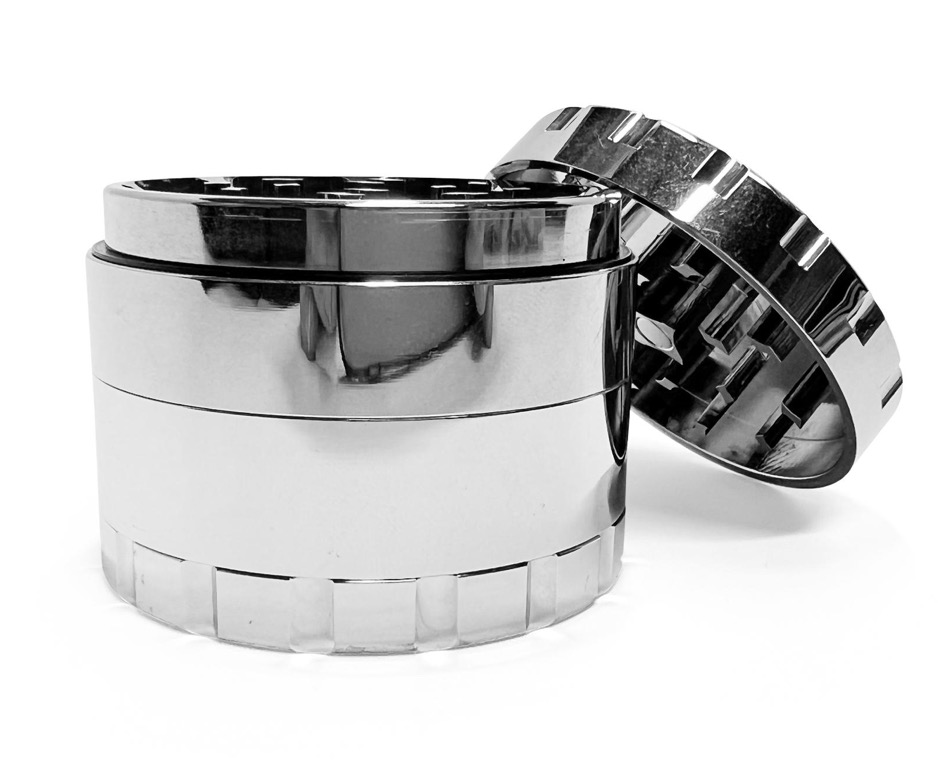
Premium metal herb grinders are often considered the gold standard. Typically made from aluminum or stainless steel, these grinders are designed for durability, precision, and long-term performance.
Pros:
- Extremely durable and resistant to wear
- Sharp teeth that stay effective even with sticky buds
- Consistent grind every time
- Often feature magnets in the lid for a secure fit
- Available in different colors and finishes
Cons:
- Higher upfront cost compared to acrylic grinders
- Heavier and less portable for some users
Brands like the ‘EVERLAST’ are well-known for producing some of the best weed grinders in this category. Their precision-milled teeth, made from stainless steel, efficiently break down even the stickiest buds, delivering a perfect grind that works beautifully in a dry herb vaporizer.
Stainless steel grinders, like the EVERLAST range from Sydney Vaporizers, while more expensive, are especially popular with users who value medical-grade materials and long-term quality.
Acrylic Grinders
Acrylic grinders are usually the most affordable option and are often included as freebies with other accessories.
Pros:
- Lightweight and portable
- Low cost, good for beginners
- Simple two piece grinder design
Cons:
- Teeth dull quickly
- Less consistent grind
- Can struggle with sticky buds
- Not as durable over time
While acrylic grinders can get the job done, they’re generally not ideal for users seeking a consistent grind for vaporization. They tend to break flower unevenly, resulting in a mix of coarse and fine pieces.
Plastic Grinders: Storz & Bickel Examples
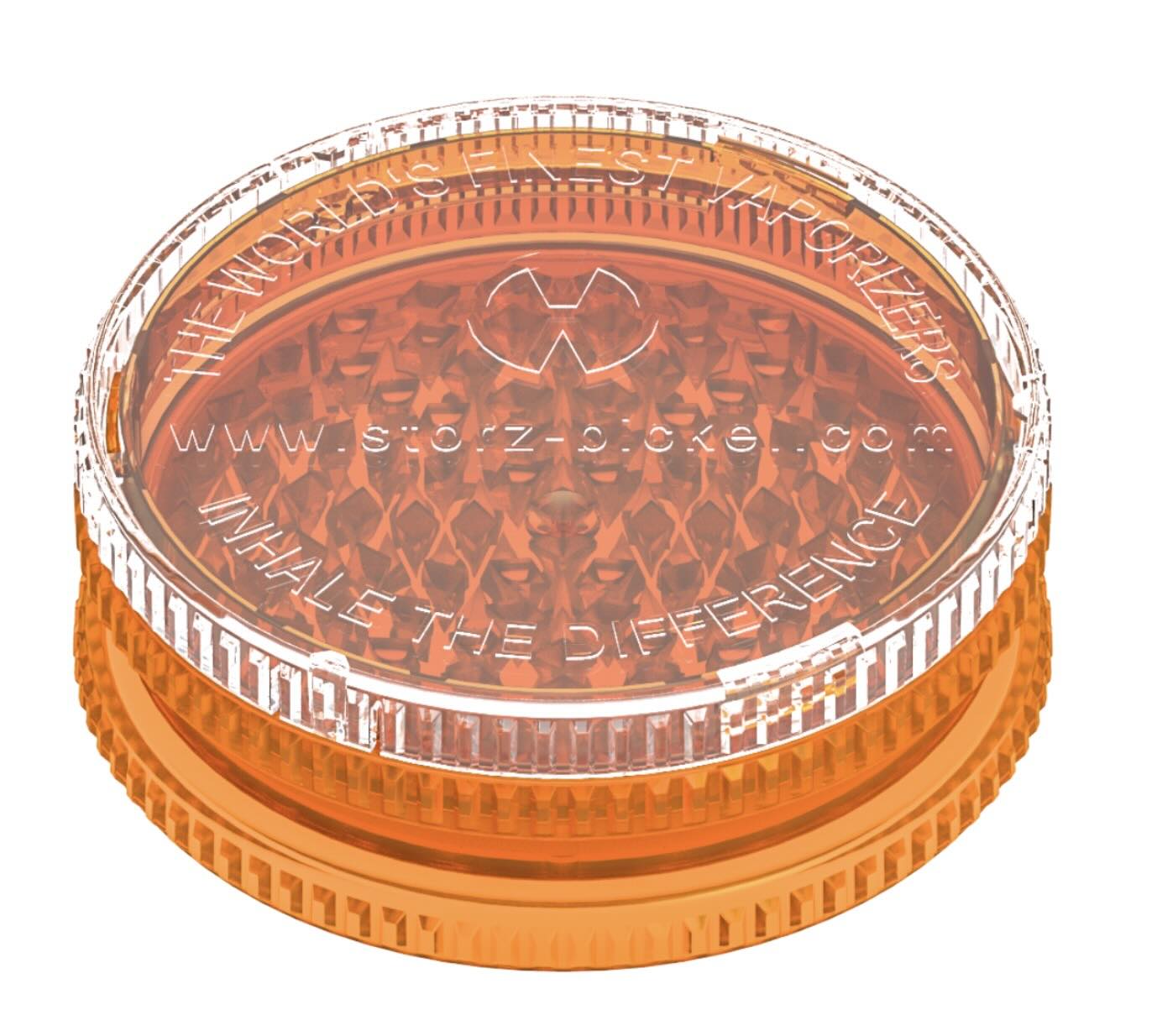
Storz & Bickel, known for high-quality vaporizers, produce two different sized grinders—both made from durable plastic. These grinders are designed specifically with vaporizer users in mind.
Smaller Storz & Bickel Grinder
- Portable and lightweight
- Produces a finer grind suitable for small vaporizer chambers
- Easy to flip open and clean
Larger Storz & Bickel Grinder
- Ideal for grinding larger amounts of herb
- Slightly more coarse grind compared to the smaller version
- Comfortable to use at home
Pros of Plastic Grinders
- Gentle on herb, preserving trichomes
- Lightweight and convenient
- Affordable compared to metal
Cons
- Less durable than stainless steel
- Teeth may wear down over time
- Limited kief collection
These grinders are a great option for users who prefer simplicity and compatibility with dry herb vaporizers.
Teeth Design: Shape, Sharpness, and Precision
One of the biggest differences between a good herb grinder and a mediocre one is the teeth.
Sharp Teeth vs Dull Teeth
Sharp teeth slice through bud cleanly, rather than crushing it. This results in:
- Better grinding efficiency
- Less damage to trichomes
- A more consistent grind
Dull teeth, on the other hand, mash the herb, causing sticky buds to clump together and reducing airflow in your vaporizer.
Teeth Shape and Pattern
- Diamond-shaped teeth: Common in premium metal herb grinders, excellent for a medium grind
- Pointed teeth: Aggressive, great for coarse grinding
- Rounded teeth: Found in plastic grinders, gentler but less precise
The shape and spacing of teeth determine whether your grind is fine, medium, or coarse—each of which matters depending on whether you prefer vaping, using a bong, or rolling.
Two Piece Grinder vs Four Piece Grinder
Two Piece Grinder
A two piece grinder is simple: a lid and a bottom piece.
Pros:
- Easy to use
- Portable
- Affordable
Cons:
- No kief catcher
- Less control over grind consistency
Two piece grinders are often preferred by casual users or those who value simplicity.
Four Piece Grinder
A four piece grinder includes:
- Lid
- Grinding chamber
- Plate with holes
- Bottom piece kief catcher
Pros:
- Collects kief efficiently
- Produces a consistent grind
- Better for long-term use
Cons:
- Slightly more expensive
- Requires more maintenance
For many enthusiasts, a four piece grinder is the perfect grinder because it offers versatility, quality, and efficiency.
The Role of a Kief Catcher
A kief catcher sits at the bottom of a four piece grinder and collects fine trichomes during grinding. Over time, this kief can be used to enhance vapor or smoke sessions.
For dry herb vaporizer users, kief can be sprinkled lightly on top of flower for stronger effects—just be careful not to clog airflow holes.
Grinder Upside: Why Grinding Improves Your Sessions
The grinder upside is simple: better results with less effort.
Grinding helps:
- Break flower into smaller pieces
- Create a consistent, even surface area
- Improve vapor production
- Make inhaling smoother
Whether you’re vaping or smoking, a perfectly ground herb burns or vaporizes more evenly, saving you money and improving flavor.
Electric Grinders: Convenience vs Control
Electric grinders are becoming more popular, especially for medical users or those with limited hand strength.
Pros:
- Fast and efficient
- Minimal effort required
- Convenient for larger amounts
Cons:
- Less control over grind size
- Can over-grind flower
- Requires charging or batteries
Electric grinders can be efficient tools, but many users still prefer manual grinders for precision and control.
Grind Size: Fine, Medium, or Coarse?
- Fine grind: Best for conduction vaporizers, but can increase resistance
- Medium grind: Ideal for most dry herb vaporizers
- Coarse grind: Better for bongs or slower sessions
Finding the perfect size depends on your vaporizer and personal preference.
Maintaining Your Grinder
To maintain grinding efficiency:
- Clean resin buildup regularly
- Avoid overfilling
- Store in a dry place
- Unscrew gently to avoid resistance
A clean grinder performs better and lasts longer.
Choosing the Best Weed Grinders for Your Needs
The best cannabis grinder isn’t the same for everyone. Some prefer lightweight plastic, others swear by stainless steel. What matters most is how it fits into your process and preferences.
Consider:
- Material quality
- Teeth sharpness
- Size and portability
- Whether you want a kief catcher
A new grinder can completely change your herb grinding experience.
Final Thoughts
A weed grinder and a dry herb vaporizer truly are the perfect pair. From premium metal herb grinders like the EVERLAST range from Sydney Vaporizers, to practical plastic options from Storz & Bickel, there’s a grinder for every user. The right choice leads to a consistent grind, smoother inhale, and better use of your flower. When quality, materials, and precision come together, the result is a smoother, more efficient, and more enjoyable cannabis experience—every single session.