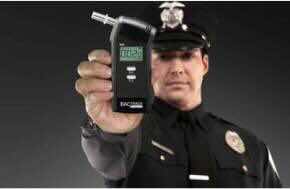
Ten years ago, most people assumed a DUI case was decided the moment a number appeared on a breath test machine. That assumption still lingers in popular imagination, shaping how families react when a loved one is arrested and how defendants themselves walk into an attorney’s office already convinced the outcome is fixed. The reality inside courtrooms has shifted considerably, and the change did not happen overnight. It happened through a decade of new evidence types, tighter scrutiny of testing equipment, and a legal community that adapted its methods far more than the public ever noticed.
The Old Model: A Number That Seemed to Settle Everything
For much of the twentieth century and into the early 2000s, a DUI stop followed a predictable script. An officer observed erratic driving, administered field sobriety tests, and finished with a breath test at the station. Whatever number the machine produced became the centerpiece of the case, and defense strategy revolved narrowly around challenging that single figure. Attorneys focused on procedural timing, whether the officer waited the required observation period, whether the suspect had anything in their mouth, whether the machine had been serviced recently. It was a defense built around one data point, and the public absorbed the idea that a number above the legal limit meant an automatic conviction. That misconception persists, but it no longer reflects how these cases actually unfold.
New Evidence Streams Changed What a Case Looks Like
Over the last ten years, the amount of evidence generated during a single traffic stop multiplied dramatically. Dash cameras became standard equipment in most patrol vehicles. Body cameras followed shortly after, capturing audio and video from the officer’s perspective rather than a fixed dashboard angle. Smartphone video from bystanders occasionally enters the record as well. Each of these sources gives attorneys something the old model never had: a moving, timestamped picture of exactly what happened before, during, and after an arrest. A field sobriety test that once relied on an officer’s written notes can now be reviewed frame by frame. Inconsistencies between what an officer wrote in a report and what a camera actually recorded have become one of the most closely examined elements of a modern case. This shift did not eliminate the breath test’s importance, but it placed that number inside a much larger evidentiary picture rather than treating it as the entire story.
Digital recordkeeping expanded the picture further. Dispatch logs, GPS data from patrol vehicles, and electronic maintenance records for testing equipment are now routinely requested and reviewed. A decade ago, obtaining a machine’s full calibration history required considerable effort and was rarely pursued. Today it is a standard part of case preparation, and it has changed how often the reliability of the equipment itself becomes a central issue rather than a footnote.
Why the Machine Itself Faces More Scrutiny
Breath testing devices are precision instruments, and their accuracy depends on regular calibration against known measurement standards. The National Institute of Standards and Technology supports the underlying science of measurement traceability that calibration laboratories rely on when certifying these devices, and that scientific foundation has become far more visible in legal proceedings than it once was. A decade ago, few defendants or even attorneys understood that a breath testing machine required documented, periodic calibration to remain reliable. Now, maintenance logs, calibration certificates, and technician credentials are commonly requested and reviewed as a matter of course. When a machine’s calibration history shows gaps or irregularities, that record can become a significant factor in how a case is evaluated. This does not mean the equipment is unreliable as a rule. Most machines are properly maintained and produce results that hold up under scrutiny. What has changed is the level of transparency now expected around that process, and the willingness of the legal system to examine it closely rather than accept a printed number at face value.
What This Means for Someone Facing Charges Today
For a person arrested today, the practical effect of these changes is that a case rarely hinges on one piece of evidence the way it once did. Video footage might corroborate or contradict an officer’s account. Calibration records might raise questions about equipment reliability. GPS and dispatch data might clarify the timeline in ways that were simply unavailable ten years ago. Building an effective defense now requires gathering, organizing, and interpreting a much wider range of material, and doing so within tight procedural deadlines that vary by jurisdiction. This is precisely why someone facing a first arrest often benefits from consulting a dui defense lawyer early, before evidence requests expire or recording retention windows close. The window for requesting certain records, particularly video footage, is often limited, and attorneys who understand which records matter and how quickly to request them are working with tools that simply did not exist in the earlier model of DUI defense.
The shift has also changed how plea negotiations happen. Prosecutors now have access to the same expanded evidence pool, which means negotiations often involve a more detailed conversation about what the full record actually shows rather than a straightforward acceptance of the breath test result. Cases that might have been resolved quickly under the old model sometimes take longer now, not because the system has become less efficient, but because there is genuinely more to evaluate. That additional scrutiny tends to produce outcomes that better reflect the specific facts of each situation.
A Field That Adapted Quietly but Substantially
None of these changes arrived with much fanfare. There was no single moment when DUI defense transformed; instead, cameras appeared in patrol cars, digital recordkeeping became standard, and calibration transparency slowly became expected practice. Attorneys who have practiced through this decade describe it less as a revolution and more as a steady accumulation of new tools, each one adding a layer of detail that simply was not available before. The result is a field that looks, from the outside, much like it always did, but operates with a depth of evidence review that would have seemed excessive to practitioners twenty years ago.
Understanding this evolution matters for anyone trying to make sense of what a DUI case actually involves today. The old picture, a single number deciding everything, was never entirely accurate, but it is even less accurate now. Cases today are built from cameras, calibration histories, dispatch records, and careful timeline reconstruction, and that broader foundation tends to serve everyone involved, from the officers documenting a stop to the defendants whose futures depend on getting the full picture right.